Blu-ray Regions A, B and C Explained — Countries, Codes and What to Do About It
Here's something that surprises a lot of people: a Blu-ray disc you buy in Tokyo won't play on a player you bought in London. Not because of a technical fault. Not because the disc is damaged. Because the film industry deliberately designed it that way. It's called region coding, it's been around since DVDs in the late 1990s, and it still drives people absolutely mad in the age of streaming.
Whether you've just imported a disc that won't play, moved abroad with your player, or you're trying to figure out why a gift from a relative overseas is completely useless on your TV — this is the article you need.
What the Three Blu-ray Regions Actually Are
Think of the world as cut into three rough slices. The Blu-ray region system doesn't perfectly follow geography — it follows commerce and distribution rights — but here's how it breaks down:
Region A — The Americas and Most of Asia
This is the biggest region. It covers the United States, Canada, all of Central and South America, Japan, South Korea, Taiwan, Hong Kong, and Southeast Asia. If you're American and you buy a Blu-ray, it's Region A. If you're in Japan, same deal.
Region B — Europe, Africa and Australia
Region B covers the UK, all of Europe, Australia, New Zealand, the Middle East, and Africa. So if you're in Germany or France or Sydney and you pick up a Blu-ray from a local shop, you've got a Region B disc.
Region C — China, Russia and South Asia
Region C is the smallest territory. It covers China, Russia, India, Bangladesh, Nepal, Pakistan, and a handful of other countries in Central and South Asia.
And yes — some discs are labelled "All Regions" or "Region Free," which means they'll play anywhere. These are more common with independent releases and documentaries than with big Hollywood blockbusters.
Why This Matters More Than You'd Think
The region system exists so that studios can control when and where a film is released, and at what price. A film might come out months earlier in the US than in Europe. Studios don't want you importing a cheap Region A disc from America before their expensive Region B version hits UK shelves. It's purely commercial.
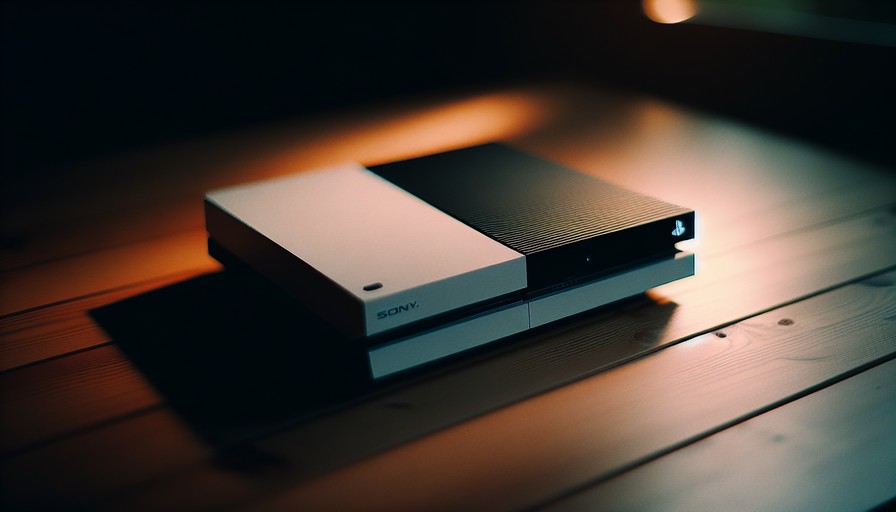
The frustrating part? Players are region-locked too. Your Blu-ray player bought in the UK is set to Region B by default. Put a Region A disc in it and you'll get an error message, or nothing at all.
The same logic applies to streaming. Platforms like Amazon Prime Video, Disney+, and Netflix all restrict certain titles by country — the same content-licensing logic, just applied digitally. You might find that a film available on a streaming platform in the US simply doesn't exist in your country's library. Different problem, same root cause.
The Physical Disc Problem: Your Options
If your issue is a physical Blu-ray disc that won't play, you've got a few routes:
- Buy a region-free player. These are proper hardware players that have had region-locking disabled or never had it enabled. They're widely available on Amazon and from specialist AV retailers. Prices start around $60–$80 (about £50–£65 / €58–€75) for a basic model. This is the cleanest long-term solution if you regularly import discs.
- Modify your existing player. Some players can be unlocked via a code entered through the remote control. Search for your specific player model plus "region free code" — but be aware this voids most warranties and doesn't work for all models.
- Use a PC or laptop with software override. Most PC Blu-ray drives allow you to change region a limited number of times (usually five, then it locks permanently). Software like AnyDVD HD can bypass this, though the legal status varies by country.
The Streaming Problem: This Is Where a VPN Comes In
If your issue isn't a physical disc but a streaming service that won't let you watch something because you're in the wrong country — a VPN is your answer.
A VPN (Virtual Private Network) routes your internet connection through a server in another country, making streaming platforms think you're located there. Want to access the US library of Amazon Prime Video from the UK? Connect to a US server. Want to watch something on a service that's only available in Australia? Connect to an Australian server.
Which VPN to Use
We'd recommend NordVPN here, and not just because everyone says so. The specific reason is reliability with streaming: NordVPN actively maintains servers that work with the major platforms, and when Netflix or Amazon update their VPN detection (which they do regularly), NordVPN's team responds quickly. It costs $4.99–$6.99/month (about £4–£5.50 / €4.70–€6.50) on a longer plan, which is less than a single streaming subscription.
If NordVPN doesn't suit you, ExpressVPN is fast and consistent — particularly good for HD streaming. Surfshark is worth mentioning if budget matters, since it's cheaper and allows unlimited simultaneous connections.
Step-by-Step: Using a VPN on Desktop
- Go to NordVPN.com and sign up for a plan.
- Download and install the NordVPN app for Windows or Mac.
- Open the app and log in.
- In the country list or map, select the country whose streaming library you want to access.
- Click Connect.
- Open your browser, go to your streaming service, and log in as normal.
That's genuinely it. The streaming service now sees you as being in that country.
Step-by-Step: Using a VPN on iPhone or iPad (iOS)
- Open the App Store and search for NordVPN.
- Download and install the app.
- Open it, log in or create an account.
- Tap the country you want to connect to.
- Tap Connect — your phone will ask permission to set up a VPN configuration. Allow it.
- Open your streaming app and enjoy.
Step-by-Step: Using a VPN on Android
- Open the Google Play Store and search for NordVPN.
- Install the app and open it.
- Log in or create your account.
- Select a country from the list and tap Quick Connect or choose a specific location.
- Accept the VPN permission prompt.
- Open your streaming app — you're in.
What About Smart TVs?
Smart TVs are trickier because most don't have a native NordVPN app. Your best options are:
- Install the VPN on your router. This covers every device in your home, including the TV. NordVPN has guides for most major router brands.
- Use NordVPN's Smart DNS feature. This is included with your subscription. It doesn't encrypt your traffic, but it does redirect enough of it to unlock geo-restricted content — and it works on most Smart TVs without any app install. Setup takes about five minutes through your TV's network settings.
Does a Free VPN Work? Honestly, No
We'd rather be straight with you than waste your time. Free VPNs are almost universally blocked by major streaming platforms. Netflix, Disney+, and Amazon Prime Video are very good at detecting and blocking VPN traffic, and free VPNs don't have the resources to stay ahead of that. You'll typically get an error like "You seem to be using an unblocker or proxy."
Beyond that, free VPNs tend to have painfully slow speeds, data caps, and — more worryingly — some of them make money by selling your browsing data. Paying $5/month (about £4 / €4.70) for a service that actually works is worth it.
Common Problems and Fixes
"Still getting a region error even with the VPN on"
Try clearing your browser's cache and cookies, then reload the streaming site. Platforms sometimes store your real location in cookies. Also try a different server — NordVPN has multiple servers per country, and some work better with specific services than others.
"The disc plays but the subtitles or audio are wrong"
Region-free discs sometimes ship with fewer subtitle or audio options than the local version. Check the disc's menu for language settings — they're sometimes buried.
"My Blu-ray player says 'wrong region' but the disc looks the same"
Double-check the disc's region code on the packaging or on the disc itself — it's usually a small globe icon with a letter or number on it. Region 0 or "All" means region-free. Any specific letter locks it to that zone.
"Netflix says I'm using a proxy even with NordVPN"
Switch to a different NordVPN server in the same country. NordVPN's servers designated for streaming (sometimes labelled "obfuscated" or found under "specialty servers") are your best bet. If that still doesn't work, contact NordVPN support — they'll tell you which specific server is currently working for your target platform.
FAQ
Can I play a Region A Blu-ray on a Region B player?
Not on a standard locked player, no. You'll need either a region-free player, a modifiable player with a code unlock, or — for digital content — a VPN to access the relevant streaming library.
Are 4K Ultra HD Blu-rays region-coded?
Yes and no. Most 4K UHD Blu-ray discs are actually region-free — the UHD format technically only has two designations (locked and free) rather than A/B/C. But many studios still release UHD discs with regional restrictions, so always check the packaging before importing.
Is using a VPN to access streaming content legal?
In most countries, yes — using a VPN itself is legal. Whether it technically violates a streaming service's terms of service is a separate question. No streaming service has ever sued a regular subscriber for using a VPN, and the worst that typically happens is your access gets temporarily blocked until you switch servers.
Will a VPN slow down my streaming quality?
A small amount of speed reduction is normal with any VPN, but with a quality provider like NordVPN on a decent broadband connection, you won't notice it in practice. 4K streaming requires about 25 Mbps — NordVPN regularly delivers 200–400 Mbps in independent tests.
What's the difference between Blu-ray regions and DVD regions?
DVD used a different system with eight numbered regions (Region 1 = USA, Region 2 = Europe, etc.). Blu-ray simplified this to three lettered regions — A, B and C. The logic is the same; the map is just drawn differently. Your Blu-ray player won't play DVDs from the wrong DVD region either, so it's worth knowing both systems.
If I move abroad permanently, what's the best long-term solution?
Get a NordVPN subscription and a region-free Blu-ray player. The player handles your physical disc collection from home; the VPN handles your streaming libraries. Together they cover pretty much every scenario you'll run into.
Our Genuine Recommendation
The region system is an annoying relic that serves corporate interests, not viewers. But fighting it doesn't have to be complicated. If you're dealing with physical discs, a region-free player is a one-time purchase that solves the problem forever. If you're dealing with streaming, NordVPN is the tool we'd buy — it works, it's fast, and it costs less than a large popcorn at the cinema each month.
Don't overthink it. Get set up once, and stop letting geography decide what you can watch.
Our top pick
Unlock region-locked content with a reliable VPN — tested and verified by our team.
Visit Nordvpn